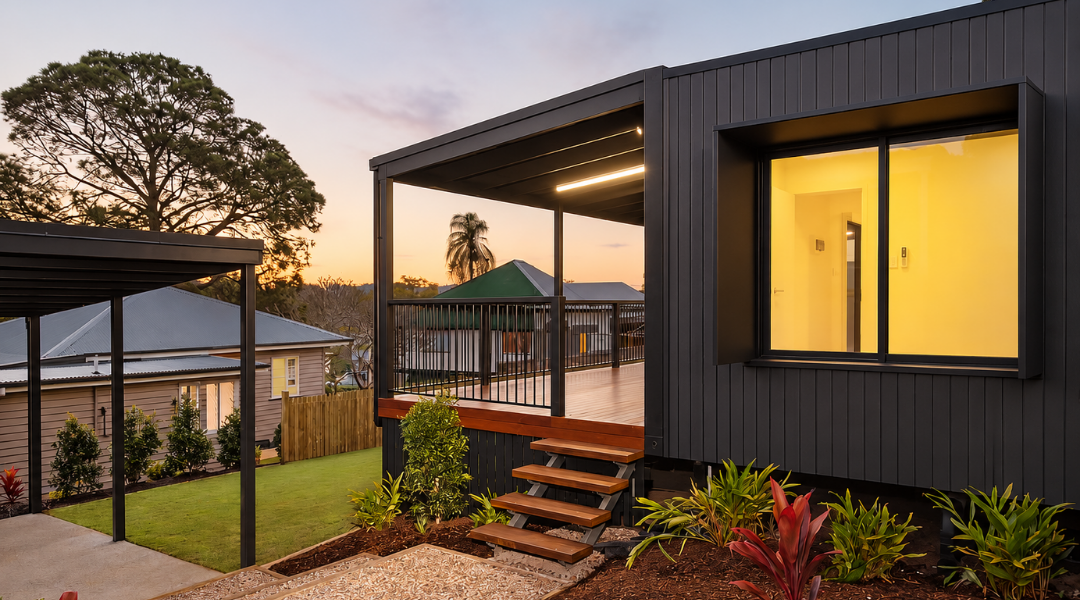
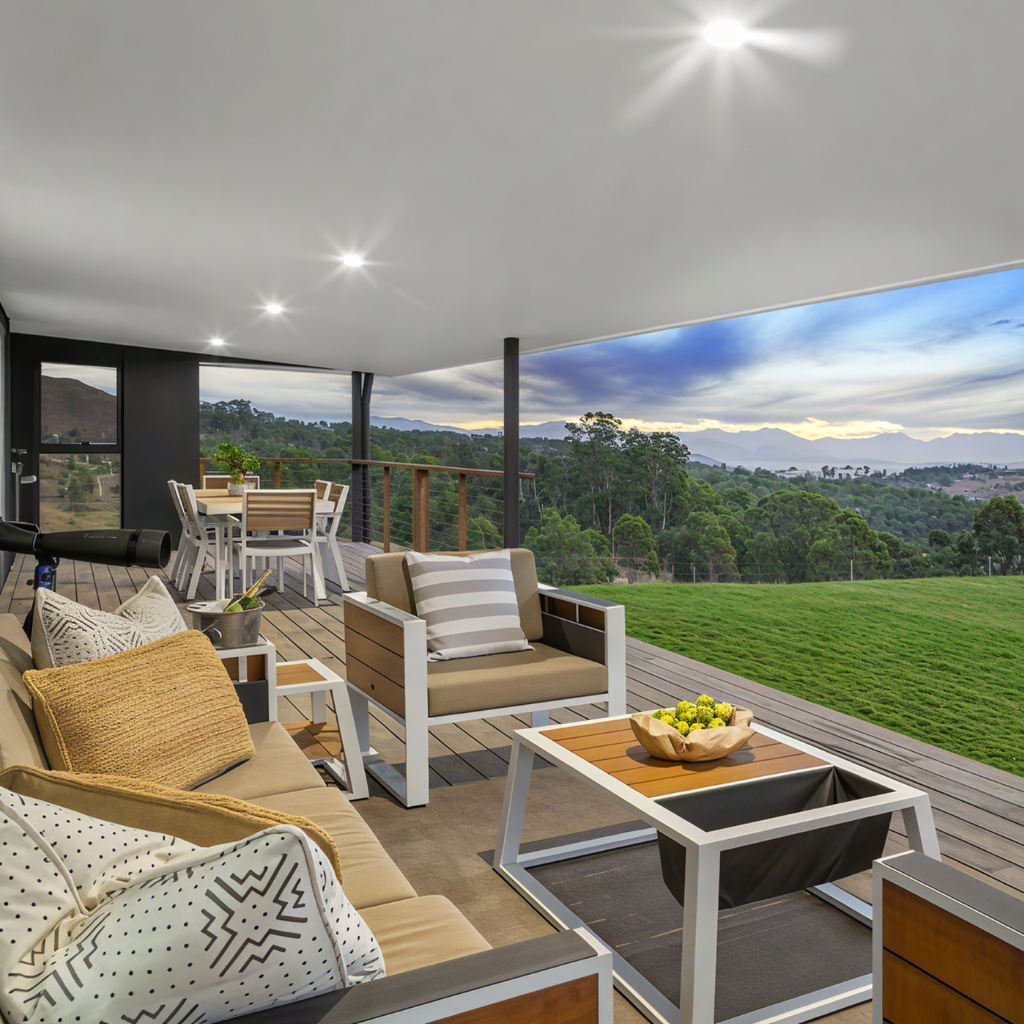
Every block of land has unique conditions that influence home design and construction. Slope, soil conditions, site access, orientation and local climate all affect how a home can be built and how comfortably it will perform.
Site-responsive home design considers these factors from the beginning. Whether building on a sloping block, a rural property or an established residential site, designing a home to suit the land can help reduce excavation and site costs, improve natural light and ventilation, and minimise disturbance to the landscape. The result is a home that connects naturally with its surroundings and supports comfortable everyday living.
Start With the Site, Not the Floor Plan
Choosing a house design that suits your block of land is an essential part of planning a new home. A standard floor plan may need adjustments to suit a sloping site, soil conditions, construction access or local planning requirements.
Before selecting a floor plan or finalising your home design, a site assessment should consider:
- Land slope and contours: how the natural fall affects floor levels, foundations and earthworks.
- Soil conditions and drainage: how ground conditions and water movement influence footing design and site preparation.
- Site access: access for construction vehicles, modular home delivery and cranes, as well as everyday use.
- Orientation and climate: sun paths, prevailing breezes and views to guide window placement, shading and outdoor living areas.
- Planning and bushfire requirements: relevant setbacks, planning overlays and Bushfire Attack Level (BAL) assessments.
Site-responsive home design considers these factors from the beginning, helping create a practical floor plan, identify potential site costs early and design a home that works with the land.

Why Fighting the Land Often Costs More
A house design that doesn’t suit the block can increase site preparation and construction costs, particularly when building on sloping land. Adapting the site to a standard floor plan may require:
- Extensive excavation and cut-and-fill earthworks
- Retaining walls and engineered building platforms
- More complex foundations and footing systems
- Additional site works that can increase construction risks and delays
These works may be necessary, but they do not automatically improve the home’s comfort or functionality.
Designing a home to suit the land’s natural contours and soil conditions can help minimise unnecessary excavation, retaining walls and ground disturbance. A site-responsive approach can support a more efficient build, better control of site costs and a home that fits naturally into its surroundings.
Working With Slope Instead of Flattening It
Building a home on a sloping block requires careful planning, but the natural fall of the land can create opportunities for elevated views, flexible layouts and distinctive home design.
Sloping block house designs can work with the site through:
- Stepped or split-level floor plans that follow changes in ground level
- Elevated homes and raised floor systems supported on foundations designed for the site
- Reduced excavation and earthworks to minimise ground disturbance
- Home layouts that follow the land’s natural contours
Combining Modern Methods of Construction (MMC), including modular construction, with traditional on-site building can support these approaches where site access and delivery conditions allow. With suitable engineering and thoughtful design, homes can work with the slope while providing structural stability and comfortable living spaces.

Long-Term Benefits of Site-Responsive Design
Designing a home to suit its block of land can deliver benefits beyond construction. By considering site conditions, orientation, drainage and local climate from the beginning, site-responsive home design can support:
- Lower ongoing maintenance: well-planned drainage and materials suited to local conditions can help reduce future upkeep.
- Better thermal comfort and energy efficiency: thoughtful orientation, shading and natural ventilation can reduce reliance on heating and cooling.
- Reduced environmental impact: minimising unnecessary excavation and ground disturbance can help preserve existing vegetation and natural site features.
- A stronger connection to the landscape: floor plans, windows and outdoor living areas can make the most of views and surrounding greenery.
- Lasting functionality and appeal: a home that suits its site and everyday needs can support long-term enjoyment and property appeal.
The result is a comfortable, practical home that feels naturally connected to its surroundings.
Final Thoughts
A successful home design starts with understanding the site. Whether building on a sloping block, rural property or established residential lot, the land’s contours, soil conditions, access and climate should guide the design and construction approach.
At Urban Cribs, combining Modern Methods of Construction (MMC), including modular building, with traditional on-site construction allows us to tailor homes to individual sites. Where suitable, this approach can reduce site disruption, improve construction efficiency and create homes designed for local conditions.
Designing with the land helps create a home that fits your property, supports comfortable living and performs well over time.
Ready to Find the Right Floor Plan?
Explore Urban Cribs’ range of modern homes built using MMC, or speak with our team about a site-specific solution tailored to your land and lifestyle.